


From Possibility to Impact: Dr. Gogova at GTNF

At the 2026 Global Tobacco & Nicotine Forum (GTNF) in Lisbon, Portugal, Dr. Maria Gogova, Altria’s Vice President and Chief Scientific Officer, shared that the conversation around tobacco harm reduction has evolved from possibility to impact. With that shift comes the need for a new conversation about tobacco policy.
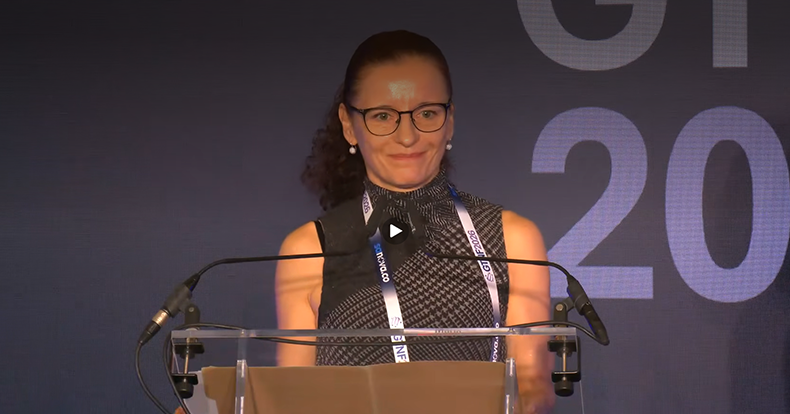
In her keynote, The Next Phase of Tobacco Harm Reduction: From Possibility to Impact, Maria argued that the conversation has evolved. Advances in science, innovation and smoke-free alternatives have created new possibilities for adults who smoke. The next challenge is turning that progress into greater public health impact. She shared three areas all stakeholders must focus on to maximize the impact of tobacco harm reduction:
1. Expanding Access to Legal, Regulated Smoke-Free Alternatives
2. Grounding Decisions in Science, Not Misconception
To achieve the full impact of tobacco harm reduction, accurate, science-based information must rise above myths, misperceptions, and fear-driven narratives that discourage adults who smoke from considering smoke-free alternatives. Healthcare providers and policymakers should be equipped with honest, balanced, evidence-based information so decisions are grounded in science rather than misconception.
3. Building the Science of Tomorrow, Using the Evidence of Today
While we do not yet have complete answers about the long-term health effects of smoke-free products, we must also ask: What happens while we wait? The challenge is not choosing between science and action, but pursuing both simultaneously by using the best available evidence today while continuing to build the science of tomorrow. Real-world evidence provides the feedback loop needed to understand what is working, where additional effort is needed, and how to maximize public health impact.
Maria concluded her keynote with a call to focus on outcomes and the adults who continue to smoke:
"Let's focus on the adults who still smoke. Let's focus on reducing disease and death. Let's continue to innovate in low-risk formats. And let's build the next phase of tobacco harm reduction. A phase defined not by possibility, but by progress. Not by debate, but by impact."